Anna Pavlova in The Hague
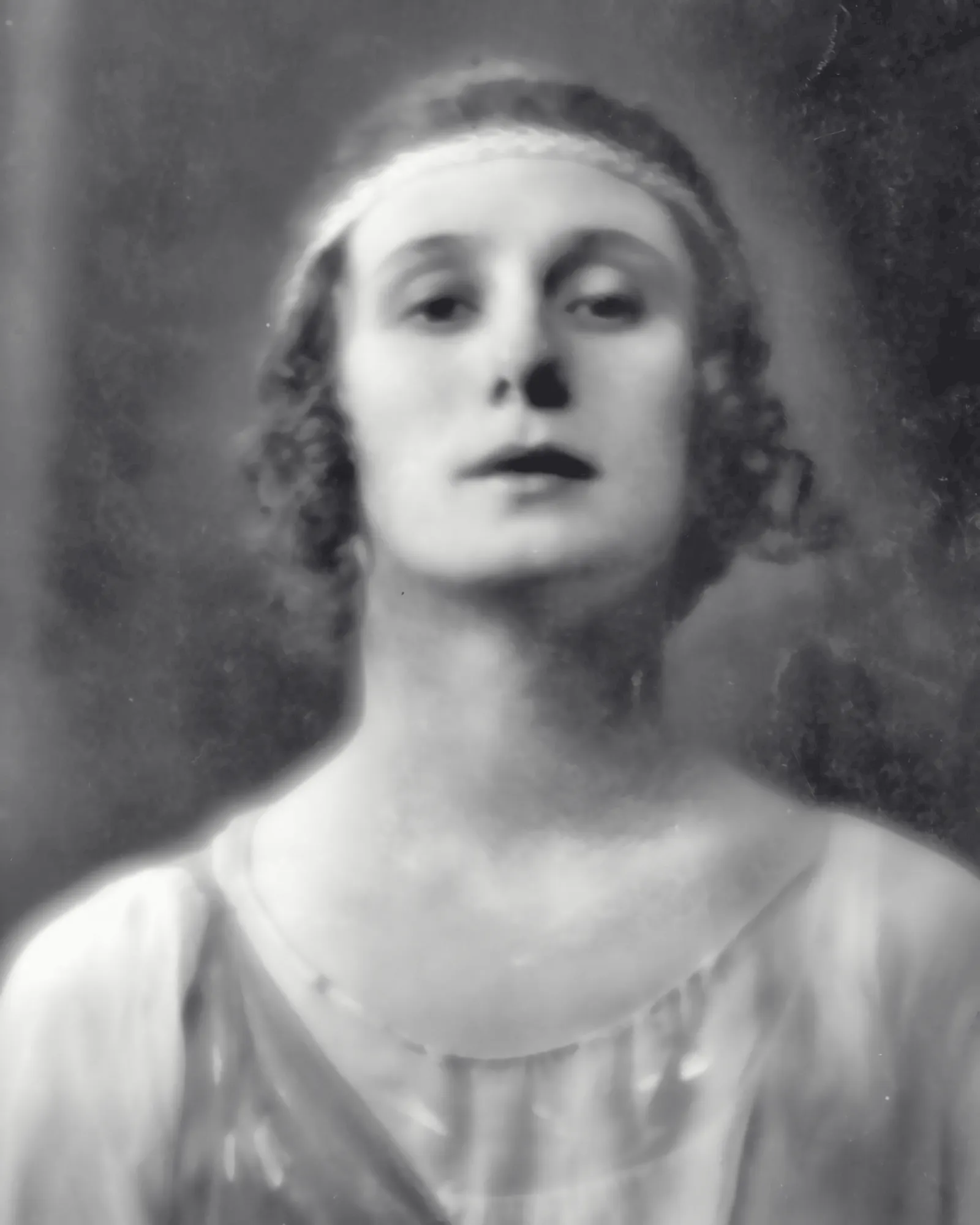
Anna Pavlova (1881–1931), one of the most famous ballerinas ever, died on 23 January 1931 at the Hotel Des Indes in The Hague, during a tour. In this city the Anna Pavlova Foundation carries on her legacy.
From St Petersburg to the world
Anna Pavlova was born in St Petersburg on 12 February 1881 (31 January in the Russian calendar of the time). She graduated from the Imperial Ballet School in 1899 and became prima ballerina of the Mariinsky Theatre in 1906.
The Dying Swan
The choreographer Michel Fokine created the solo ‘The Dying Swan’ for her, to ‘Le Cygne’ by Camille Saint-Saëns, in 1905 according to most sources. It became her most famous role; she danced it thousands of times.
Her own company and a house with swans
Around 1911 she formed her own company and toured the world: almost every year through the United States (1912–1926) and through South America in 1918–1919. From 1912 she lived at Ivy House in Golders Green, London. She kept swans in the garden; her favourite was called Jack.
The Hague, January 1931
During a tour, Anna Pavlova died in the early hours of 23 January 1931 at the Hotel Des Indes in The Hague, twenty days short of her fiftieth birthday. Sources give pleurisy or pneumonia as the cause. According to a well-known legend, on her deathbed she asked for her swan costume. Her ashes are kept at Golders Green, London.
Her legacy in The Hague
Since 2015 the Anna Pavlova Foundation has kept her memory alive in the city where she died, with scholarships for young dancers, ballet performances for children and plans for a monument and museum.
Compiled by the Anna Pavlova Foundation, last updated October 2026. Sources: Wikipedia (NL), Wikipedia (EN); photos: Nationaal Archief / Spaarnestad, Library of Congress, Wikimedia Commons.
Timeline
- 1881Born in St Petersburg
- 1899Graduates from the Imperial Ballet School
- 1905The Dying Swan (Fokine, Saint-Saëns)
- 1906Prima ballerina of the Mariinsky Theatre
- 1911Forms her own company
- 1912Lives at Ivy House, London
- 1931Dies at the Hotel Des Indes, The Hague
About Anna Pavlova in The Hague
Where and when did Anna Pavlova die?
Anna Pavlova died in the early hours of 23 January 1931 at the Hotel Des Indes in The Hague, during a tour, twenty days before her fiftieth birthday.
Why is Anna Pavlova linked to The Hague?
She died in The Hague. That is why the Anna Pavlova Foundation, based in The Hague since 2015, keeps her memory alive here, with scholarships, performances and plans for a monument.
What is ‘The Dying Swan’?
A short solo that Michel Fokine created for Anna Pavlova, to ‘Le Cygne’ by Camille Saint-Saëns. It became her most famous role.
Did Anna Pavlova really keep swans?
Yes. She kept swans in the garden of her home, Ivy House, in London; her favourite was called Jack. The swan in our logo refers to him.
Where does Anna Pavlova rest?
Her ashes are kept at Golders Green in London, not in The Hague.
Will there be a monument to Anna Pavlova in The Hague?
The Foundation is working on a monument and a virtual museum. The current status is on the Monument and museum page.
Is the pavlova dessert named after her?
Yes, the meringue dessert was named after her in the 1920s. Where exactly it was invented is disputed (Australia or New Zealand).
Help young dancers onto the stage
Your gift goes to scholarships, free charity concerts and the memory of Anna Pavlova.